







Search Results for: Commercial shoots

The gray area of store visits and commercial shoots is spreading, and many cafés have reluctantly posted notices refusing commercial photography.
In recent years, the trend of professional venue visits and commercial shoots has grown increasingly intense, forcing many cafés to publicly declare their refusal of unpaid commercial photography and venue-visit behavior. What was originally a mutually beneficial relationship between visit bloggers and businesses has now soured due to tactics such as false promotion by some individuals, using follower counts to extort free items, and malicious negative reviews. Some even go so far as to occupy public space for extended photo shoots with bags of equipment after purchasing only a single drink, seriously disrupting other customers' experience. Café owners, suffering immensely from these chaotic practices, have posted notices one after another to protect their in-store environment. This article will explore in depth the causes of this phenomenon, the real experiences of café owners, and their efforts to safeguard the peaceful atmosphere of their cafés. [more…]
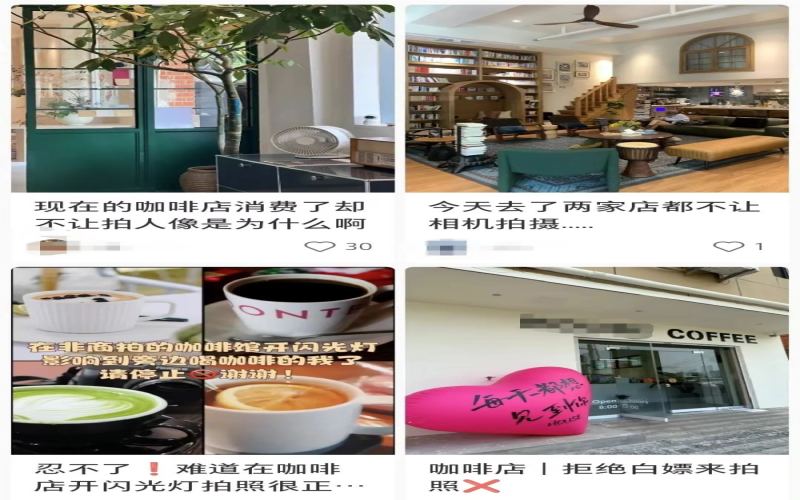
Café Photo Chaos Sparks Controversy: Owners Forced to Set Limits, How to Balance Customer Experience and Commercial Shoots
In the age of social media, coffee shops have become popular photo spots for young people. However, more and more cafés are explicitly posting "No Photography" signs, and staff will even actively discourage customers who are taking photos. Behind this phenomenon is the frustration of shop owners over professional photography teams taking up space, disrupting the environment, and affecting other customers. Ordinary consumers want to enjoy a quiet atmosphere, while photography enthusiasts pursue the perfect shot—how can the needs of both sides be reconciled? This article explores the conflicts triggered by photography in coffee shops and highlights how brands such as Front Street Coffee value the in-store experience. [more…]
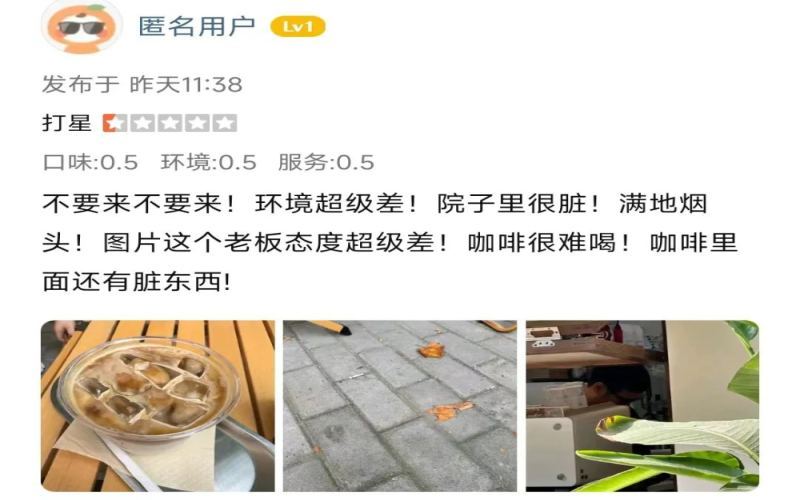
Coffee shop refuses commercial photo shoot, receives malicious negative review; surveillance footage reveals the entire process of a customer putting a foreign object into the coffee
Nowadays, it has become the norm to check review platforms before going out to spend money, and high ratings and bad reviews often sway people's choices. However, the review system can also be exploited by people with ulterior motives. Recently, a coffee shop owner revealed that because they refused a customer's request to do commercial photography inside the shop, they were anonymously given a 0.5-star bad review, and were even accused of having something dirty in the coffee. After checking the surveillance footage, the owner discovered that the so-called foreign object had actually been placed into the cup by the customer for a staged photo. After the incident came to light, it sparked heated discussion among netizens, with many lamenting how difficult it is for businesses to defend their rights, once again bringing the topic of coffee shops refusing commercial photography into the spotlight. [more…]
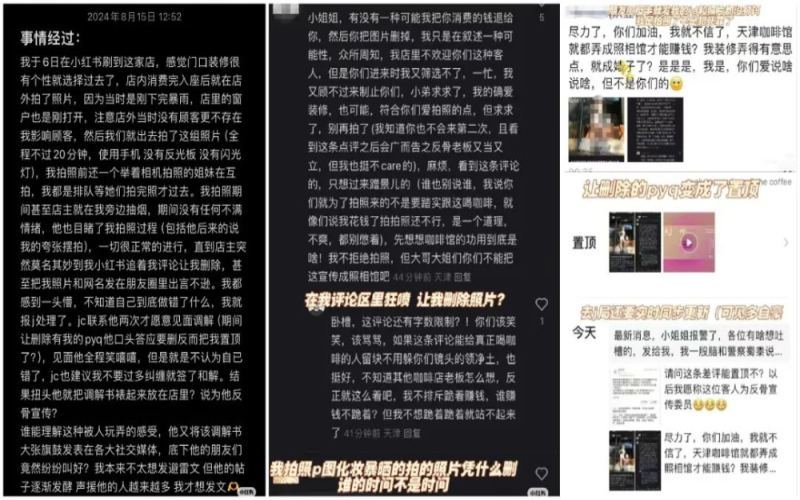
Coffee shop photo check-ins spark controversy: How should the boundary between shop owners and customers be drawn?
In today's era of thriving social media, coffee shops are no longer just places to savor coffee; they have also become popular check-in spots for many people's cameras. However, when photo-taking behavior evolves from personal documentation into commercial shoots or excessive posing, conflicts between shop owners and customers quietly emerge. A recent incident in which a shop owner framed and displayed a mediation agreement has once again made "whether photography is allowed in coffee shops" a hot topic of discussion. On one side is customers' desire to capture beautiful moments, and on the other is operators' consideration of maintaining the shop's atmosphere. How can both parties find a balance? This article will walk you through the whole incident and explore the boundary issues behind photo check-ins. [more…]
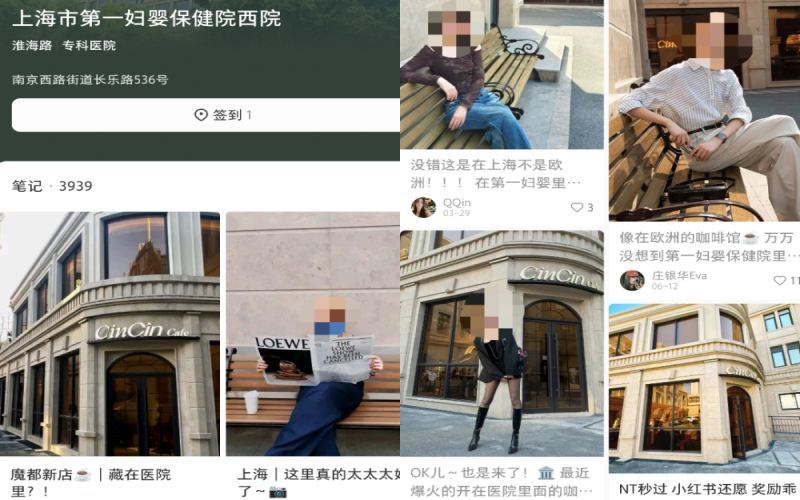
A European-style coffee shop inside Shanghai First Maternity and Infant Hospital has become a trendy photo spot, and the hospital has responded that it will strengthen management.
Recently, Shanghai First Maternity and Infant Hospital has seen its on-site European vintage-style coffee shop become a popular photo spot for many "influencers" on social media, with related topics continuing to gain traction. Many local residents have reported that the crowds of photo-takers have disrupted normal medical order. Why has this coffee shop become a photography hotspot? How have the hospital and the shop responded? The hospital stated that it will strengthen management by discouraging commercial photography, prolonged occupation of patient rest seats, and the use of large professional equipment such as fill lights, in order to ensure normal medical activities. [more…]
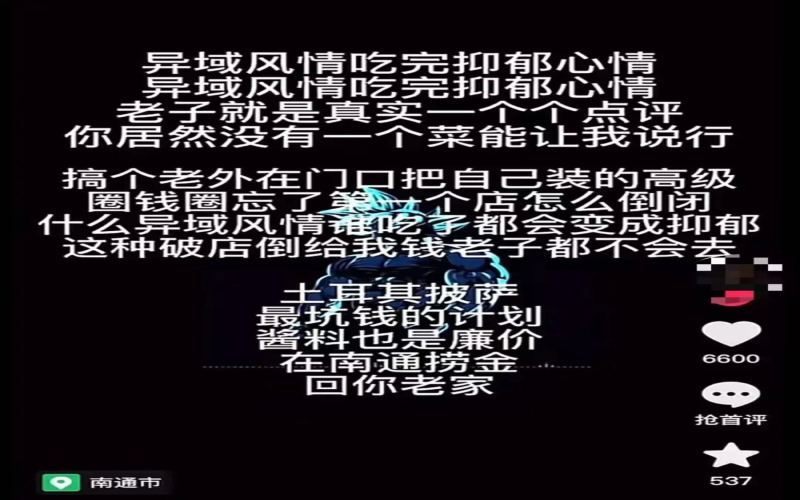
After skipping out on a 710-yuan bill, a探店 blogger apologizes and deletes the video, reigniting debate over the gray areas of influencer探店
Recently, a food exploration blogger in Jiangsu spent 710 yuan at a restaurant and left without paying. After being chased back by the waiter, the blogger posted a negative review video targeting the restaurant, and the incident quickly went viral and sparked widespread discussion. As the number of food exploration bloggers surges, chaos such as accepting money for false promotion, threatening free meals with bad reviews, and occupying seats for long periods to take photos keeps emerging. How should merchants and platforms respond? This article will recount the incident and take an in-depth look at the gray areas and industry dilemmas behind influencer food exploration. [more…]
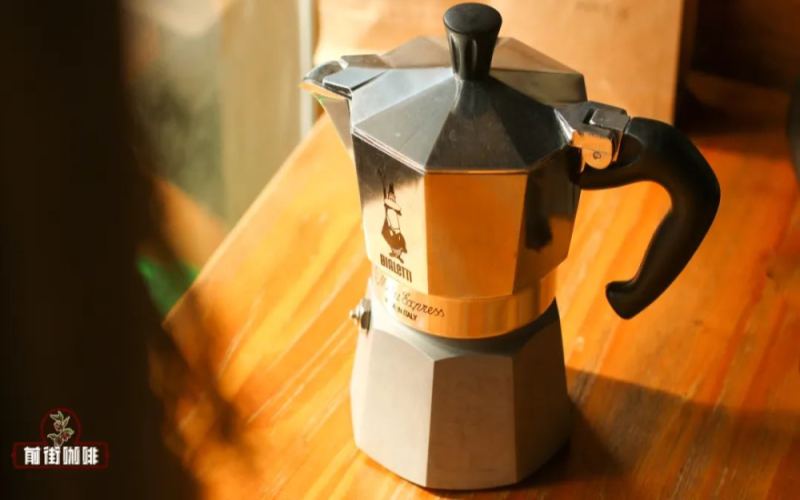
How many cups can a moka pot brew repeatedly? Is heating with an alcohol lamp feasible? Answers to three common questions
The moka pot, like an espresso machine, uses pressurized extraction to produce a strong coffee close to espresso. As coffee culture spreads, more and more people are picking up a moka pot, but beginners inevitably run into all kinds of problems when operating one. In this article, Front Street Coffee rounds up the three most common troubles encountered when using a moka pot: coffee shooting straight out, coffee failing to come out, and brewed coffee with no crema, along with the corresponding cause analysis and solutions for each. It also answers questions such as whether a moka pot can brew multiple cups in a row and whether a Bialetti moka pot can be heated with an alcohol lamp, helping coffee lovers better master this small yet practical device. [more…]
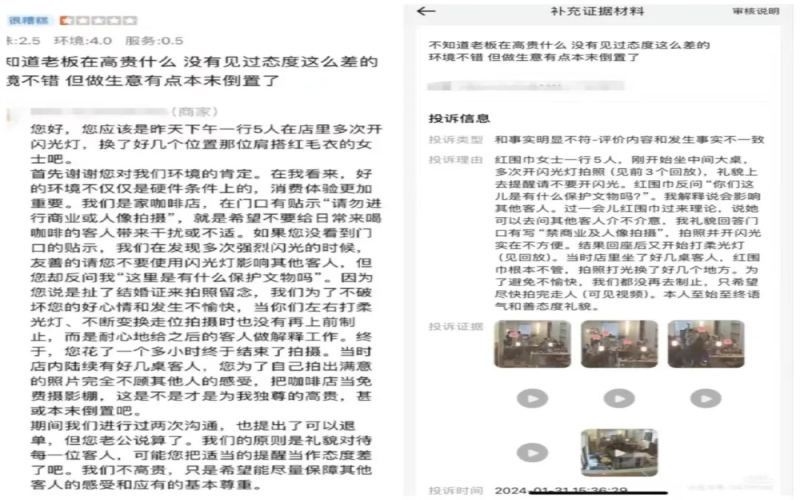
Independent Coffee Shops Plagued by Negative Reviews: The Business Pain Caused by Customers' Unauthorized Photography
Under the double pressure of chain-brand expansion and the post-pandemic economic downturn, independent coffee shops are finding it increasingly hard to stay afloat. Many small cafés barely survived three years of the pandemic, only to choose to close during the recovery period to cut their losses—partly out of economic helplessness, and partly because customer disputes left them disheartened. This article recounts one shop owner's experience of a customer illegally using a flash to take photos, then leaving a bad review afterward, with no recourse through appeals—reflecting the real difficulties and emotional toll independent cafés face in their day-to-day operations. [more…]
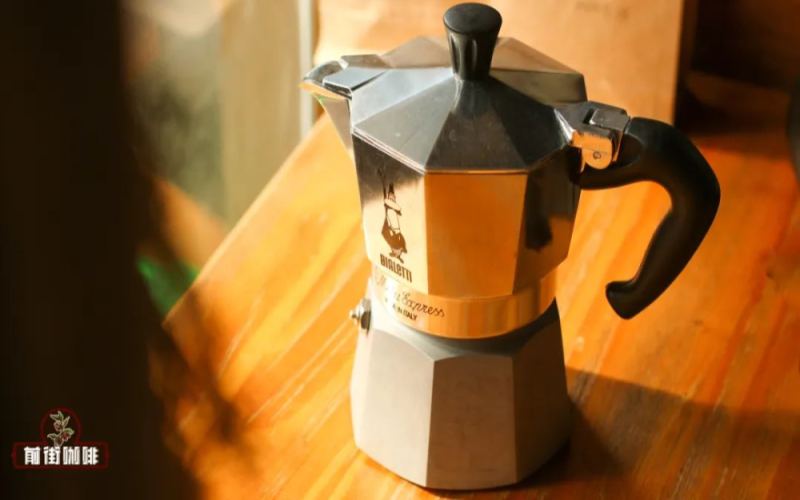
Key Operating Points and Common Troubleshooting for Moka Pot Espresso Extraction: Causes of Splattering, No Liquid Output, and Lack of Crema
The Moka pot, thanks to its pressure-based extraction principle, can produce espresso-like strong coffee at home, and is therefore regarded by many enthusiasts as a budget-friendly alternative to an espresso machine. However, beginners often run into various problems when using it, the most typical being violent spurting of the coffee, no liquid emerging for a long time, and brewed coffee with almost no crema. These issues are usually related to puck resistance, heat control, grind size, and bean freshness. Below, Front Street will analyze the causes of these three common problems one by one and offer corresponding adjustment solutions, along with recommendations for espresso beans suitable for use in a Moka pot. [more…]
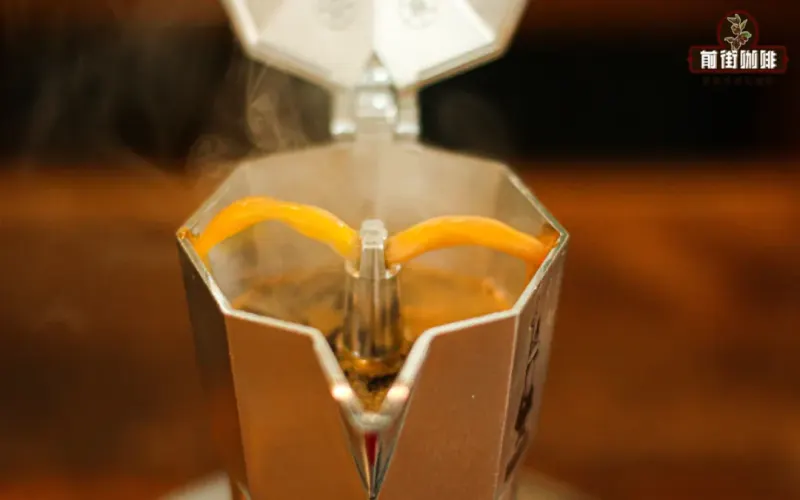
Why Does Moka Pot Brewing Produce the "Double Pigtails" Phenomenon? A Comprehensive Analysis of Five Key Operating Points and Principles
Friends who frequently use a moka pot have probably encountered the situation where the coffee flow suddenly turns from a thin stream into two violent jets of water—this is commonly known as the "double ponytail" phenomenon. Its appearance often means there was an operational error during the extraction process, ranging from making the coffee taste bitter and uneven to potentially posing a safety hazard. This article, from the perspective of Front Street, begins by outlining the pressure-extraction principle of the moka pot, then analyzes one by one the four key factors—adding too much water, coffee grounds being too coarse, uneven distribution of grounds, and excessive heat—along with corresponding adjustment suggestions. It will also share directions for choosing coffee beans suitable for moka pots, helping everyone consistently make a rich, well-balanced espresso at home. [more…]
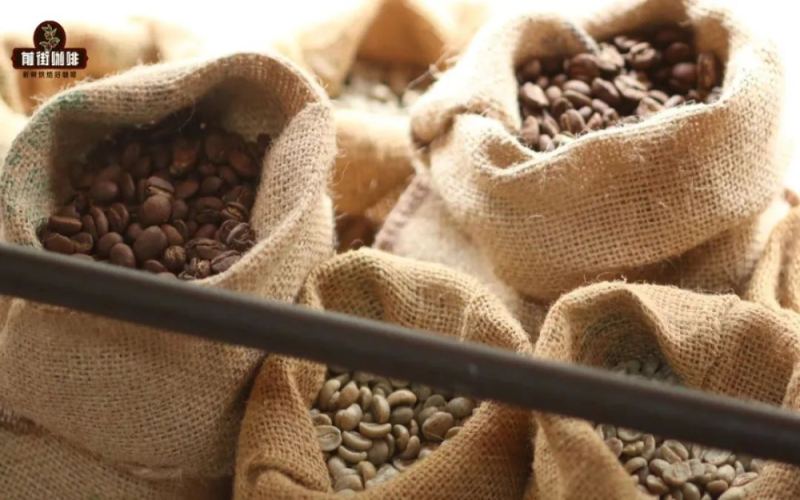
What Exactly Is the Relationship Between Arabica and Typica? A Clear Explanation of Specialty Coffee Bean Variety Classification in One Article
When buying coffee, the phrase "100% Arabica" commonly seen on packaging has almost become synonymous with quality, but the classification of coffee varieties is far more complex than this phrase suggests. Under Arabica, there are numerous sub-varieties, among which Typica is the most representative. Typica has a clean, delicate flavor and high balance, but due to low yield and weak disease resistance, it is difficult to promote on a large scale. In Yunnan's production areas, Catimor is now relied upon more to fill the yield gap. This article, from the perspective of Front Street, will sort out the relationship between the two major species, Arabica and Canephora, explain in detail Typica's origins, plant characteristics, and flavor performance, and clarify why Catimor is more favored in commercial cultivation. [more…]

Yunnan Coffee Bean Prices Continue to Climb: Why Is Small-Bean Coffee So Highly Favored, as Seen from the 2022 Purchasing Market
In recent years, Yunnan coffee beans have risen to prominence in the domestic market. From China Post's cross-industry launch of Post Coffee to KFC's release of Yunnan Little Red Can freeze-dried coffee, more and more brands are turning their attention to this highland growing region. At the same time, the purchase prices of both commercial and specialty coffee beans in Yunnan have been climbing in tandem, with some premium lots even reaching the thousand-yuan-per-kilogram level. This article will review the market performance of Yunnan coffee beans, the current state of brand applications, and look back at the 2022 price trends, analyzing the multiple factors behind their popularity. [more…]
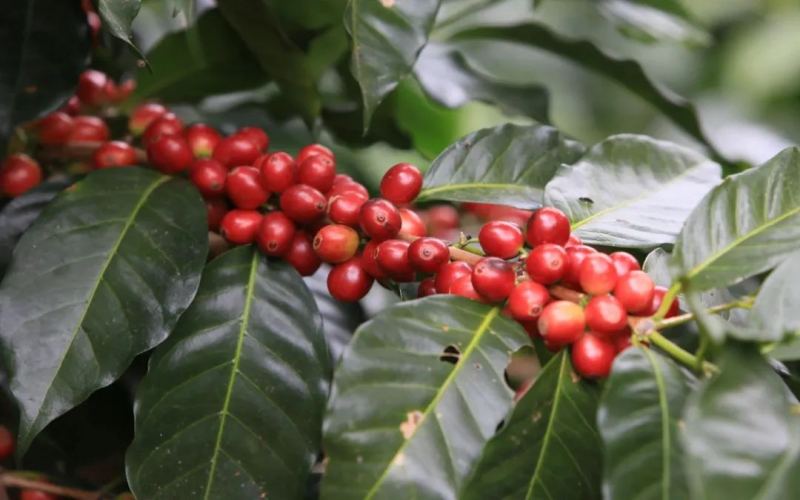
YunNan coffee varieties|Where does the "devil's aftertaste" of Catimor come from? Is Catimor Arabica?
Arabica and Robusta are the two major coffee genera with the greatest commercial value, and they each have their own advantages and disadvantages. For example, the flavor of the Arabica variety is good, but the disease resistance of most of them is r [more…]
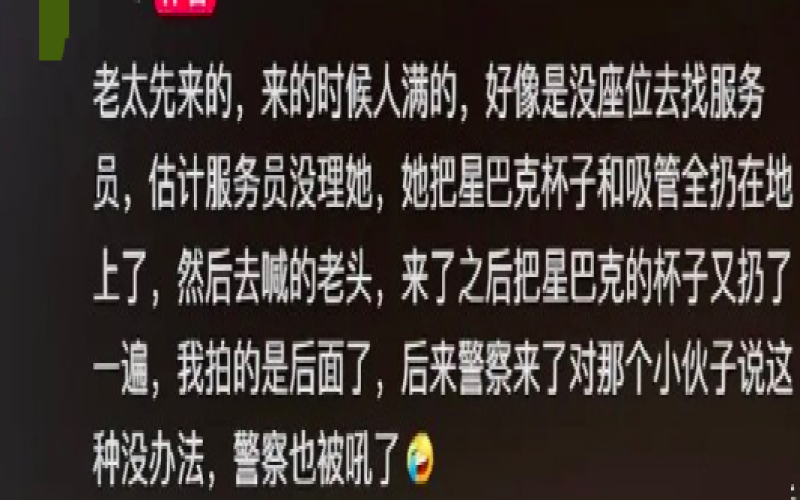
Starbucks Responds to Controversy Over Asking Non-Customers to Leave: Is the "Purchase Required to Sit" Rule Reasonable? Heated Debate Ensues
Recently, videos of altercations between Starbucks staff and non-paying customers have surfaced one after another on social media, drawing widespread attention. On one side, an elderly person argued with staff after being asked to leave for not making a purchase; on the other, a store in Xi'an was accused of frequently shooing away passersby who hadn't bought anything. Starbucks customer service responded that stores do indeed have a "purchase to be seated" rule, but they won't force customers to buy. Behind this new rule lies the real dilemma of store environments being affected by people who occupy seats without spending, and it also reflects the discussion about the boundary between commercial premises and public space. As a coffee enthusiast, what do you think of Starbucks' approach? [more…]
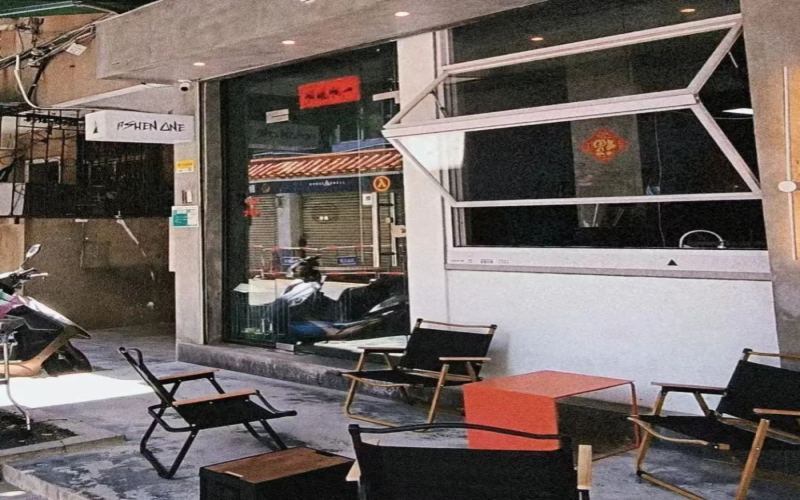
The coffee track in small cities is crowded—what else can fourth- and fifth-tier coffee shops rely on to break through?
As the coffee markets in first- and second-tier cities gradually become saturated, more and more brands are turning their attention to small cities in the fourth and fifth tiers, making the county-town coffee track unusually crowded. Using Xinhui District in Jiangmen, Guangdong as an example, this article reviews the local coffee shop scene from Starbucks' entry to the explosive growth of community stores, analyzes the three major challenges facing coffee shops in small towns: excessive competition within the same area, the downward expansion of large chain brands, and shortcomings in their social-space attributes, and observes some store owners' new idea of shifting toward a "si-doh" convenience-store model, exploring the survival space and future direction of coffee shops in small towns. [more…]
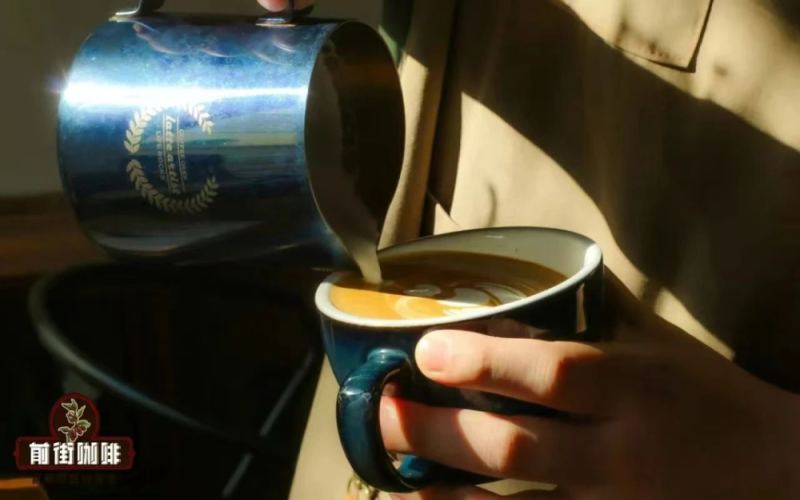
Latte Coffee Making Tutorial: Espresso Extraction, Milk Frothing and Latte Art Techniques, and Coffee Bean Selection Tips
Latte coffee may seem simple, but in reality, every step—from bean selection, extraction, to milk frothing and latte art—hides its own intricacies. While the ratio of milk to coffee, the beans used, and parameters vary across cafes, the classic approach typically involves a generous amount of milk blended with espresso. This article uses Front Street Coffee as an example to systematically explain the entire latte-making process: how to choose Italian-style coffee beans based on flavor preferences, adjust grind size, dose and distribute the grounds and tamp, as well as the principles and techniques of steaming milk, and finally, latte art practice steps for beginners. Whether you're preparing for a barista interview or looking to improve your output at home, you'll find practical references here. [more…]
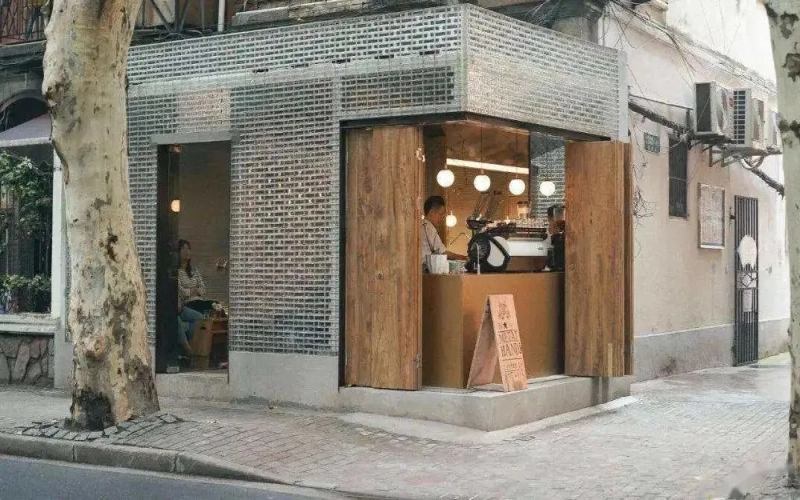
Why does the number of coffee shops in Shanghai keep rising? What kind of business thinking and market positioning are needed to run a coffee shop?
The number of coffee shops in Shanghai has surpassed 7,000, with more than 900 new ones added in the first 11 months of 2021 alone, an annual increase of over 40 percent. Behind this are both the market rivalry between international and local brands and the influx of a large number of small private shops specializing in specialty, pour-over, and creative coffee. Yet a boom in openings does not mean business is easy. Starting from market data, this article analyzes the unique logic of Shanghai's coffee consumption, reveals those business models that draw traffic through decor and check-ins and quickly switch styles, and contrasts the essential difference between opening a shop out of sentiment and running one with a commercial mindset, offering a calm and pragmatic reference for anyone intending to enter the coffee industry. [more…]
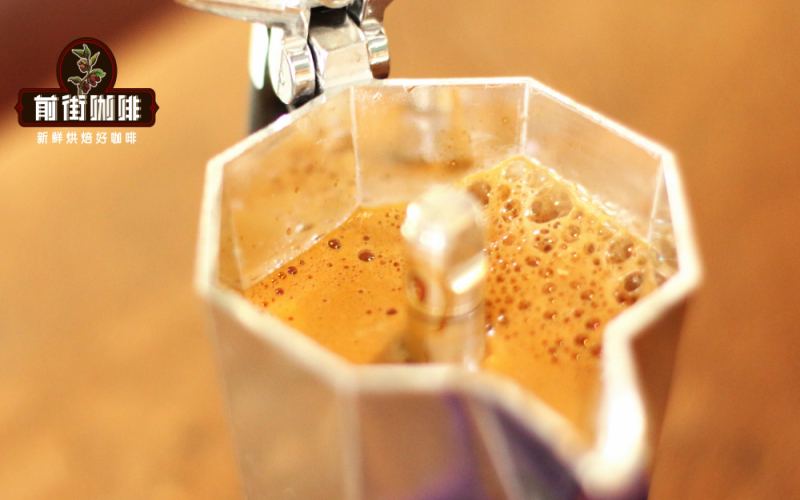
The Complete Guide to Brewing Espresso with a Moka Pot: Step-by-Step Instructions, Explosion Risks, and Single-Serving Methods Explained
The moka pot is a brewing device commonly kept at home by many coffee enthusiasts. It has a simple structure and is easy to operate, yet it can extract a rich, full-bodied coffee liquid. This article will start with the basic structure of the moka pot, then provide a detailed introduction to its working principle, suitable coffee bean choices, specific operating steps, and how to avoid explosion risks. At the same time, we will also answer the question of how to make a single-serving moka pot. The article recommends several coffee beans from the Front Street brand to help you make a choice based on your taste preferences. Whether you are a beginner or a veteran, you can find practical tips and precautions here. [more…]
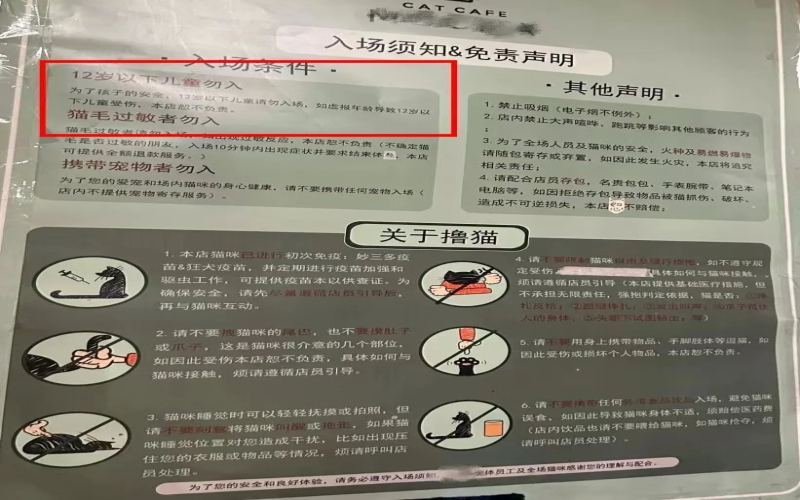
Coffee Shop's Refusal to Admit Young Children Sparks Heated Debate: Safety Consideration or Consumer Discrimination?
Recently, the topic of some coffee shops not admitting children has trended on Weibo, sparking widespread discussion. A cat café has a rule that children under 12 are not allowed to enter, with a strict ban on those under 6, citing concerns for children's safety. Many coffee shop owners have expressed similar stances: they hope to create a quiet space rather than restrict children's nature. Netizens have polarized views on this, with supporters believing that market segmentation is reasonable, while those concerned question whether it constitutes discrimination against consumers. Behind this debate lies the difficulty service industries face in balancing the needs of families with children and the desire for a quiet experience. Front Street Coffee has always focused on the intersection of coffee culture and social topics, and today we'll walk you through the ins and outs of this event. [more…]
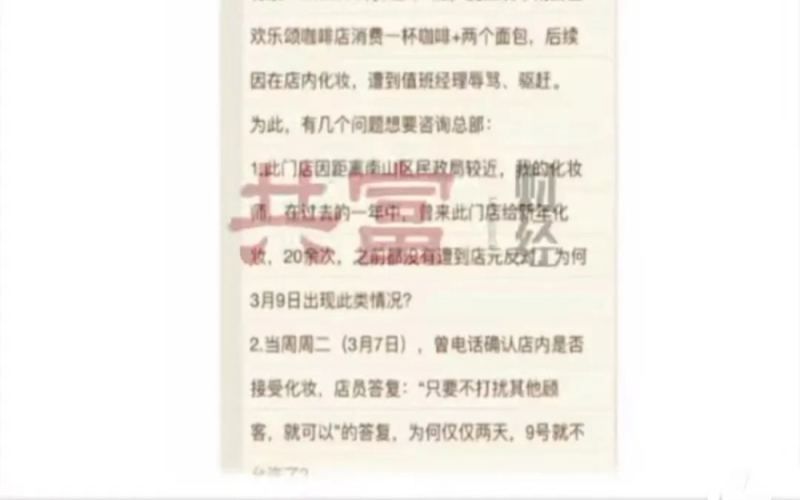
On Certificate Day, Starbucks Makeup Session Sparks Heated Debate After Customer Asked to Leave; Store Explains Communication Was Too Loud, Has Refunded Order and Apologized
Recently, a netizen alleged that they were asked to leave while doing makeup at a Starbucks store in Shenzhen on the day they received their marriage certificate, and the incident quickly sparked discussion. According to the netizen's account, they had called the store in advance to confirm that doing makeup was allowed as long as it did not disturb others, but after making a purchase that day, they were still discouraged by the shift manager during the makeup process and even felt insulted. The store involved responded that if the smell or powder of cosmetics affects other customers, staff will step in to remind them, that the shift manager's voice was indeed somewhat loud at the time, and that afterward the full order was refunded and two tall drink vouchers were given. The regional manager has stepped in to communicate. Netizens have differing views on this. Some believe a coffee shop is not a place for doing makeup, while others think normal touch-ups are harmless and that there may be another reason for the conflict. The incident has once again prompted reflection on the boundaries of using public space in coffee shops. [more…]